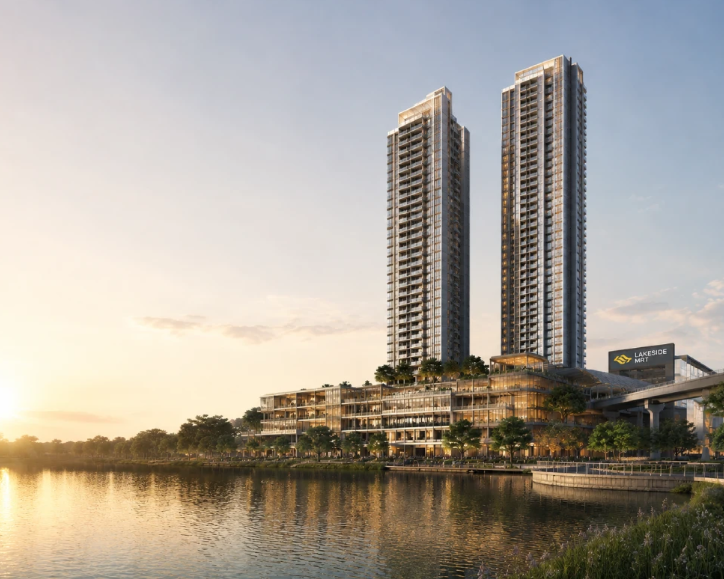
Buying a new launch condo is not just about finding a beautiful home; it is a major financial decision that must align with your long-term personal milestones. Whether you are eyeing a tranquil suburban oasis like Lentor Garden or a bustling city-fringe development, your investment timeline dictates your success. Many buyers make the mistake of choosing a property based solely on current trends rather than planning for their future needs. To make a smart purchase, you must evaluate properties through the lens of a 5-year exit strategy or a 10-year legacy plan. This systematic approach ensures your real estate portfolio grows alongside your lifestyle changes, protecting your capital while maximizing potential capital gains over time.
Defining the 5-Year Horizon – Exit-Oriented Selection
Prioritizing Infrastructure Catalysts
A five-year horizon typically appeals to first-time buyers, young couples, or active investors aiming to ride the initial capital appreciation wave. In this short-to-medium-term window, your primary goal is capital preservation and rapid growth. When shortlisting properties for this timeline, prioritize projects with strong immediate catalysts. Look for areas undergoing rapid infrastructure development, such as upcoming MRT stations, new commercial hubs, or regional business districts.
Optimizing Unit Layouts for High Liquidity
Developments in these high-growth zones usually experience a significant price bump upon completion, known as the seller’s stamp duty expiry bump. For instance, projects like Lucerne Grand are strategically positioned to benefit from nearby commercial transformations, making them ideal candidates for a quick exit. In a five-year plan, layout efficiency and entry price are critical. You want to secure a unit at a competitive launch price to maximize your margin when you sell shortly after the project obtains its Temporary Occupation Permit. Avoid niche layouts or overly large units that restrict your future buyer pool. Stick to highly liquid configurations, such as functional two-bedroom apartments, which consistently attract a broad demographic of young professionals and small families looking for move-in-ready resale homes. By focusing on high-liquidity entry points, you protect your capital while ensuring an easy transition to your next property.
Crafting a 10-Year Legacy Plan – Stability and School Districts
The Value of Educational Infrastructure
A ten-year horizon requires a completely different mindset. If your goals stretch over a decade, you are likely looking at family planning, school enrollment, and long-term wealth preservation. Immediate paper gains become less critical than steady, organic price growth and overall liveability. For this timeline, location stability and proximity to reputable educational institutions should top your checklist.
Choosing Adaptable Living Spaces
Properties located near top-tier primary schools tend to hold their value exceptionally well, even during market downturns. Families actively seek these locations, creating a perpetual demand pool. Consider master-planned residential enclaves like Lentor Garden, where the integration of green spaces, family-friendly amenities, and accessibility creates a nurturing environment for growing children. In a ten-year plan, unit size and layout adaptability are paramount. A compact two-bedroom unit might suffice now, but a spacious three- or four-bedroom unit will prevent the need for an expensive, premature move as your family expands. Look for flexible layouts with study corners or utility rooms that can transform into home offices or nursery spaces. Furthermore, prioritize developments with extensive communal facilities, such as lap pools, modern gyms, and dedicated play areas, which enhance your daily quality of life over a decade of occupancy.
Evaluating Developer Reputation and Construction Timelines
Mitigating Transaction and Delay Risks
The timeline you choose also dictates how much risk you can tolerate regarding construction delays and developer track records. For a five-year strategy, a delay of even six months can severely disrupt your financial plans, especially if you need to rent temporary housing or if your capital is locked up longer than anticipated. When shortlisting, investigate the track record of the developers behind the projects. Established developers with a history of on-time delivery and high-quality finishes reduce your transaction risk.
Long-Term Durability and Maintenance Costs
Conversely, if you are committed to a ten-year plan, you have more flexibility to absorb construction timelines, but you must focus on the long-term durability of the building materials. Premium developments, such as Lucerne Grand, utilize high-grade materials and sustainable building practices that minimize maintenance costs over the years. High maintenance fees can eat into your rental yields or monthly disposable income, making development management a crucial factor. Examine the proposed maintenance fund allocation and the developer’s past projects to see how their properties age. A well-maintained development retains its aesthetic appeal and structural integrity, ensuring that when you finally decide to sell after ten years, your unit still commands a premium price in the resale market.
Analyzing Exit Strategies and Rental Yield Potential
Targeting Immediate Resale Buyers
Every successful property purchase requires an exit plan formulated before you sign the sales agreement. For the five-year investor, your exit strategy relies on selling to sub-sale buyers or buyers who want immediate move-in options without waiting for construction. You must study the surrounding supply of completed condos. If your development is surrounded by ten other projects completing at the same time, you will face intense competition.
Securing Steady Passive Income
For a ten-year owner, your exit strategy might involve transitioning the property into a steady source of passive income. In this scenario, rental yield potential becomes a key metric. Look for developments near major employment nodes, medical hubs, or tertiary institutions. A property in Lentor Garden, for example, offers excellent rental appeal to professionals working in nearby regional centers due to its seamless transit connectivity. High rental demand ensures that even if you move out to upgrade to a landed home, your condo can remain a self-sustaining asset that pays off its own mortgage. Calculate the historical rental yields in the immediate vicinity and compare them against projected interest rates. Shortlisting projects with a healthy balance of owner-occupiers and tenants ensures a stable community while maintaining a robust rental market.
Financial Stress-Testing for Different Timelines
Managing Liquidity in Short-Term Holds
Your investment timeline directly impacts your borrowing capacity and financial buffer requirements. A five-year plan requires a highly aggressive but calculated financial approach. You must ensure you have sufficient liquidity to cover monthly mortgage payments during the construction phase when progressive payment schemes apply. Because you intend to sell quickly, you must also account for transaction costs like legal fees, agent commissions, and potential seller stamp duties, which can erode your short-term profits.
Ensuring Long-Term Debt Resilience
For a ten-year horizon, your financial strategy must focus on interest rate fluctuations and life-stage changes. Over a decade, you may experience career transitions, family expansions, or economic cycles. Stress-test your finances against a higher interest rate environment to ensure you can comfortably service the loan even during market downturns. Shortlisting properties with a lower quantum, even if it means opting for a slightly smaller unit in a premium development like Lucerne Grand, can offer peace of mind. Keeping your debt-servicing ratio well below the regulatory limits allows you to retain the property through market volatility. This financial resilience prevents forced sales during downturns, allowing you to choose the absolute best market conditions to divest your asset and realize your long-term financial goals.
Conclusion
Shortlisting a new launch condo is a balancing act between immediate desires and future goals. Aligning your purchase with a clear five-year or ten-year timeline prevents emotional decision-making and protects your financial future. Whether you prioritize rapid capital growth in a rising district or long-term family stability in a quiet residential enclave, understanding your exit strategy is key. By analyzing infrastructure catalysts, school proximity, developer track records, and financial stress tests, you can confidently select a property that serves as both a comfortable home and a robust wealth-building tool. Take the time to map out your personal milestones before stepping into a showflat, ensuring your next real estate move aligns perfectly with your life trajectory.